Medical Articles
What Is a Herniated Disc?
26.07.2026
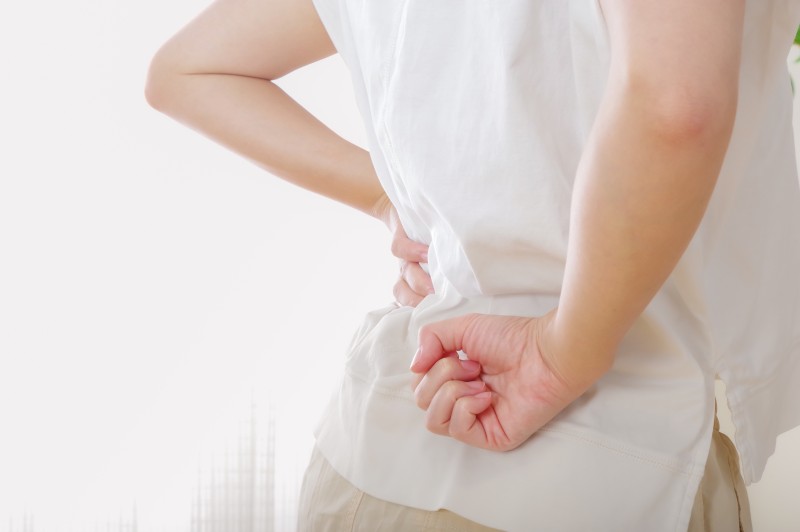
We often hear the term “hernia,” but few people may know exactly what it medically means. A “hernia” simply refers to a condition where an organ or tissue protrudes from its normal position, regardless of the specific body part involved.
When this displacement occurs in an intervertebral disc, it is called a herniated disc; similarly, when a portion of the intestine protrudes through a weakness in the abdominal wall, it is known as an inguinal hernia. In this article, let’s take a closer look at the causes and management of herniated discs.
The human spine is composed of 24 individual vertebrae. Between each of these vertebrae lies an “intervertebral disc” that acts as an essential shock absorber. A “herniated disc” occurs when this cushioning disc becomes compressed due to aging or excessive strain on the back, causing its inner material to bulge out. This protrusion compresses the surrounding nerves, resulting in symptoms such as sharp pain and numbness. This numbness can radiate not only across the lower back but also down into the buttocks and legs.
While the symptoms of a herniated disc can sometimes resolve on their own, severe pain can be effectively alleviated using local anesthesia, steroid injections, or targeted physical therapy. These non-surgical approaches are collectively known as conservative therapies. However, if there is no improvement despite conservative treatment, or if severe symptoms develop—such as intense persistent pain, difficulty walking due to muscle weakness, or urinary and bowel dysfunction—surgical options may be seriously considered.
Effective preventive measures include regular stretching and core exercises to build muscle strength, as well as being mindful not to maintain the exact same posture for prolonged periods or adopt positions that place excessive strain on your spine. Additionally, studies indicate that smokers have a 1.27 times higher risk of developing a herniated disc compared to non-smokers. This is believed to be because nicotine causes the capillaries surrounding the intervertebral discs to constrict, preventing sufficient nutrients from reaching the discs and causing them to become brittle over time.
What do you think? If this information has piqued your interest, try paying closer attention to your daily posture and lifestyle habits starting today.
Author Bio

Dr. Eiji Shimada
Oriental Wellcare Group Founder
Board-certified radiologist. He manages one of Japan’s largest independent teleradiology service companies, receiving more than 10,000 imaging interpretation requests per month from over 250 hospitals nationwide. He also has a track record as a pioneer of home healthcare in Japan, having founded and managed one of the country’s largest medical corporations specializing in home-based medical care.
In November 2014, he founded Oriental Wellcare Group. Today, the group operates a broad network of medical institutions across three countries: the Philippines, Malaysia, and the United States. He is dedicated to creating healthcare environments where Japanese residents overseas, including those living in the Philippines, can receive advanced medical care with peace of mind.