Medical Articles
The Difference Between “White,” “Green,” and “Black”
05.07.2026
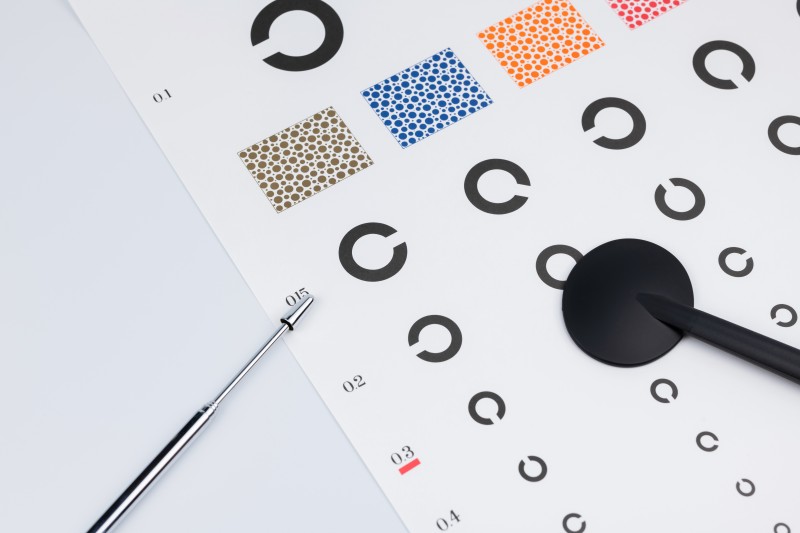
There are various eye conditions that people experience, such as dry eye, styes, and conjunctivitis. In this article, we will discuss “cataracts,” “glaucoma,” and “black cataracts” (amaurosis)—conditions with similar-sounding names in Japanese, but with very distinct medical differences.
Inside the eye is a structure called the “lens,” which functions much like the lens of a camera. As the name suggests, a cataract is a condition in which this lens becomes cloudy and whitish. When the lens loses its clarity, symptoms such as blurred vision, reduced visual acuity, and increased sensitivity to glare may appear. In the early stages, medication can slow the progression; in more advanced cases, a straightforward surgery is performed to replace the natural lens with a clear artificial one.
Glaucoma is a condition in which the optic nerve inside the eye is progressively damaged, often due to increased intraocular pressure (the internal pressure of the eye). This leads to visual field defects, such as a loss of peripheral vision, and can cause headaches, eye pain, and, in the worst-case scenarios, permanent blindness. Unlike cataracts, glaucoma does not actually cause the lens to turn green; however, the term historicaly derives from the fact that the eyes of blind patients in ancient Europe sometimes appeared to have a greenish-gray hue. Similar to cataracts, treatment options include medication to lower eye pressure, laser therapy, and surgery to slow progression. However, unlike cataracts—where the lens can be replaced—once the optic nerve is damaged, it cannot be restored. Therefore, vision lost to advanced glaucoma unfortunately cannot be recovered.
Compared to the two conditions above, “amaurosis fugax” (often associated with the term "black cataract" in traditional Japanese medicine) is one you may not hear of as often. This is a condition where vision in one eye suddenly goes completely dark, as if a black curtain is being drawn, causing temporary blindness. While the symptoms often subside within a few minutes, this sudden temporary loss of vision is a critical warning sign of an impending stroke (transient ischemic attack). If you ever experience this, we strongly recommend seeking immediate emergency medical examination and testing.
Because both cataracts and glaucoma can have genetic factors, preventing their onset entirely is difficult. Be sure to undergo regular dental and physical checkups, including routine eye exams, so that appropriate treatment can be initiated well before any permanent damage occurs.
Author Bio

Dr. Eiji Shimada
Oriental Wellcare Group Founder
Board-certified radiologist. He manages one of Japan’s largest independent teleradiology service companies, receiving more than 10,000 imaging interpretation requests per month from over 250 hospitals nationwide. He also has a track record as a pioneer of home healthcare in Japan, having founded and managed one of the country’s largest medical corporations specializing in home-based medical care.
In November 2014, he founded Oriental Wellcare Group. Today, the group operates a broad network of medical institutions across three countries: the Philippines, Malaysia, and the United States. He is dedicated to creating healthcare environments where Japanese residents overseas, including those living in the Philippines, can receive advanced medical care with peace of mind.