Medical Articles
How Much Water Do We Need?
08.11.2026
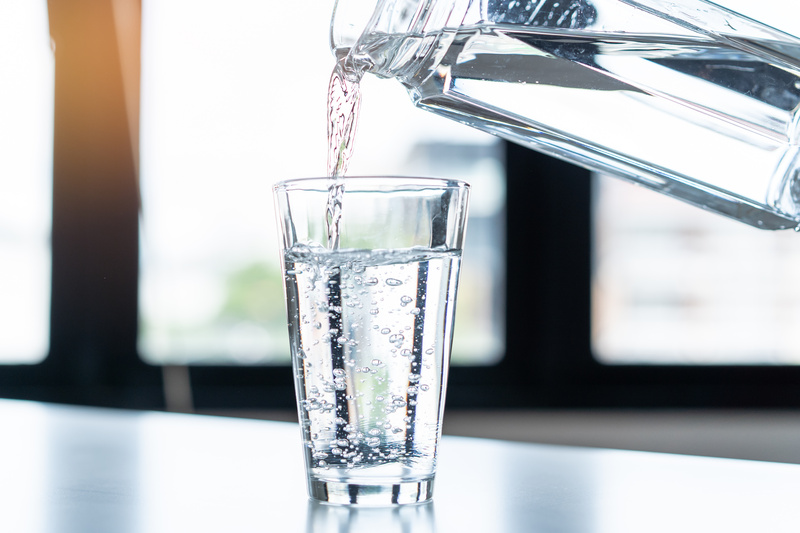
Water is the most abundant substance in the human body and plays a vital role in keeping us alive. In adults, water makes up about 50–60% of total body weight. The brain, intestines, kidneys, muscles, and liver are made up of approximately 80% water. In contrast, fatty tissue contains much less water—around 30%—which means that people with a higher body fat percentage generally have a lower proportion of water in their bodies.
Water performs a wide range of essential functions. It transports nutrients and oxygen throughout the body, helps regulate body temperature, and removes waste products. For this reason, not getting enough water can have a significant impact on how the body functions.
So, how much water should we drink each day? In the past, the general rule of thumb was to drink eight glasses of water a day. However, the amount of water a person needs varies depending on factors such as individual needs, physical activity, climate, and how much water they get from other beverages and water-rich foods such as fruits and vegetables. The U.S. Institute of Medicine (IOM) recommends a total daily water intake of about 3.7 liters (approximately 15.6 cups) for men aged 19 and older and 2.7 liters (approximately 11.4 cups) for women aged 19 and older. These figures include water from both beverages and food.
Interestingly, people can survive for a certain period without food as long as they have access to water. However, without any water at all, life-threatening dehydration can develop within just three to four days. Losing just 1% of the body's water can make you feel thirsty. A loss of 2% may cause symptoms such as dizziness, nausea, and loss of appetite. As dehydration becomes more severe, a loss of 10–12% of body water can lead to muscle cramps and fainting, while a loss of 20% can be life-threatening.
By the time you feel thirsty, you may already be mildly dehydrated. That's why it's important to drink small amounts of water regularly throughout the day rather than waiting until you feel thirsty. Making a habit of staying hydrated can help prevent dehydration and support your overall health and well-being in everyday life.
Author Bio

Dr. Eiji Shimada
Oriental Wellcare Group Founder
Board-certified radiologist. He manages one of Japan’s largest independent teleradiology service companies, receiving more than 10,000 imaging interpretation requests per month from over 250 hospitals nationwide. He also has a track record as a pioneer of home healthcare in Japan, having founded and managed one of the country’s largest medical corporations specializing in home-based medical care.
In November 2014, he founded Oriental Wellcare Group. Today, the group operates a broad network of medical institutions across three countries: the Philippines, Malaysia, and the United States. He is dedicated to creating healthcare environments where Japanese residents overseas, including those living in the Philippines, can receive advanced medical care with peace of mind.