Medical Articles
Diabetes During Pregnancy
01.11.2026
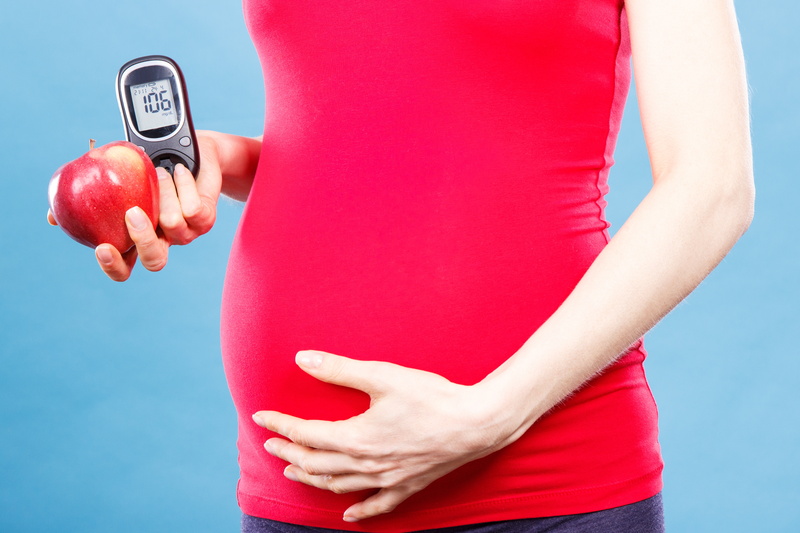
One of the major changes that can occur during pregnancy is a change in blood sugar levels. Have you ever heard of gestational diabetes? Gestational diabetes is a condition in which the body has difficulty regulating blood sugar during pregnancy, resulting in abnormal glucose metabolism. This means that blood sugar levels become higher than normal, either when fasting or after eating.
Normally, when we eat, our food is digested and absorbed, causing our blood sugar levels to rise. The pancreas then releases insulin, which helps bring blood sugar levels back to a normal range. During pregnancy, however, the placenta produces hormones that reduce the effectiveness of insulin. This happens because the body needs to make more energy available to the growing baby. As a result, insulin may not work as effectively as it normally does, making blood sugar levels more likely to rise. It is important to understand that gestational diabetes is not simply the result of a mother’s lack of effort or an unhealthy diet. The hormonal and physical changes that occur during pregnancy play an important role.
Gestational diabetes is different from diabetes that was already present before pregnancy. It can sometimes be diagnosed unexpectedly because many women have no noticeable symptoms. It is also relatively common, affecting around 12% of pregnant women in some populations. If left uncontrolled, gestational diabetes can increase the risk of health complications for both the mother and baby.
Because gestational diabetes is closely related to the physical changes of pregnancy, it can be difficult to prevent completely. However, maintaining a balanced diet and healthy lifestyle can help improve blood sugar control. For example, eating fiber-rich foods such as vegetables before carbohydrate-rich foods may help prevent a rapid rise in blood sugar. Moderate physical activity can also be beneficial. However, pregnant women should avoid excessive dieting or strenuous exercise. It is important to follow your doctor’s advice and choose activities that are appropriate for your pregnancy.
Certain factors may increase the risk of developing gestational diabetes. These include gaining weight rapidly during pregnancy, being 35 or older, having obesity, or having a family history of diabetes. In many cases, blood sugar levels return to normal after delivery, which is another characteristic of gestational diabetes. Nevertheless, women who have had gestational diabetes may have a higher risk of developing diabetes later in life, so continued health monitoring is important. Regular prenatal checkups are essential for detecting gestational diabetes early. Paying attention to your diet and lifestyle throughout pregnancy, while following appropriate medical advice, can help protect the health of both you and your baby.
Author Bio

Dr. Eiji Shimada
Oriental Wellcare Group Founder
Board-certified radiologist. He manages one of Japan’s largest independent teleradiology service companies, receiving more than 10,000 imaging interpretation requests per month from over 250 hospitals nationwide. He also has a track record as a pioneer of home healthcare in Japan, having founded and managed one of the country’s largest medical corporations specializing in home-based medical care.
In November 2014, he founded Oriental Wellcare Group. Today, the group operates a broad network of medical institutions across three countries: the Philippines, Malaysia, and the United States. He is dedicated to creating healthcare environments where Japanese residents overseas, including those living in the Philippines, can receive advanced medical care with peace of mind.