Medical Articles
Children and Impetigo
29.11.2026
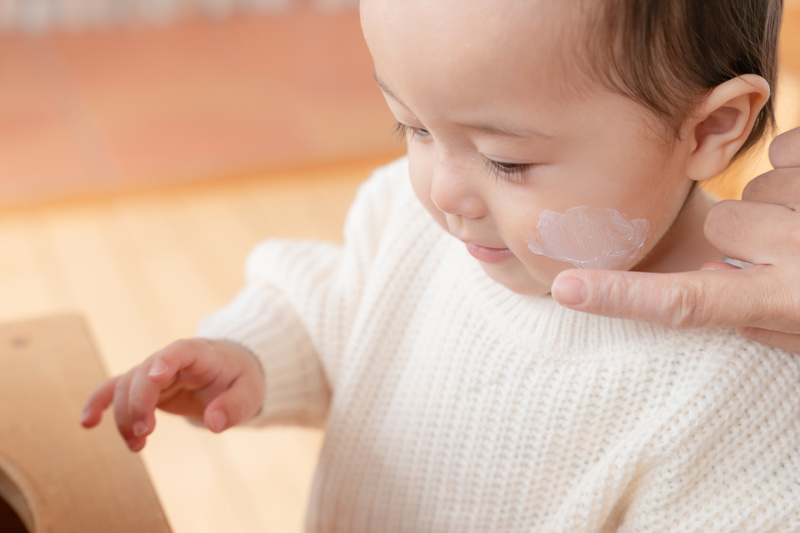
The Japanese name tobihi (literally, “flying fire”) is a rather curious one, isn’t it? There’s no actual fire involved, so why call it “flying fire”? The name comes from the way the infection can spread from one area of the skin to another, much like sparks spreading from a fire.
Tobihi, medically known as impetigo, is a bacterial skin infection. It can develop when bacteria enter the skin through scratches, insect bites, heat rash, eczema, or other areas that have been scratched or broken. Although impetigo was traditionally associated with the warmer months, it can now occur throughout the year, partly because of the widespread use of air conditioning and heated swimming pools. Healthy, intact skin is generally less susceptible to infection, while skin that has been damaged or weakened is more vulnerable. Children with atopic dermatitis are also more likely to develop impetigo.
There are two main types of impetigo. One is bullous impetigo, which is mainly caused by Staphylococcus aureus. The other is non-bullous impetigo, which is primarily caused by Group A β-hemolytic streptococci, although Staphylococcus aureus can also be involved. Blisters may appear one after another on the face, torso, arms, knees, and other areas. These blisters can break easily, leaving the skin moist and weeping. Impetigo can be quite itchy, and children may find it difficult not to scratch. When they scratch an affected area and then touch or scratch another part of their body, the bacteria can spread to that area as well—literally “flying” like sparks from a fire.
Treatment generally involves keeping the affected skin clean and, depending on the symptoms, using a topical antibiotic. If there is significant itching or inflammation, a topical steroid may sometimes be prescribed. Oral antibiotics and antihistamines to relieve itching may also be prescribed when appropriate.
Itching can be difficult for even adults to resist, so it can be especially challenging for children. If you notice anything unusual around an insect bite, scratch, or other skin lesion on your child, it is a good idea to seek medical attention early.
Author Bio

Dr. Eiji Shimada
Oriental Wellcare Group Founder
Board-certified radiologist. He manages one of Japan’s largest independent teleradiology service companies, receiving more than 10,000 imaging interpretation requests per month from over 250 hospitals nationwide. He also has a track record as a pioneer of home healthcare in Japan, having founded and managed one of the country’s largest medical corporations specializing in home-based medical care.
In November 2014, he founded Oriental Wellcare Group. Today, the group operates a broad network of medical institutions across three countries: the Philippines, Malaysia, and the United States. He is dedicated to creating healthcare environments where Japanese residents overseas, including those living in the Philippines, can receive advanced medical care with peace of mind.